
Spend your inheritance to help your folks
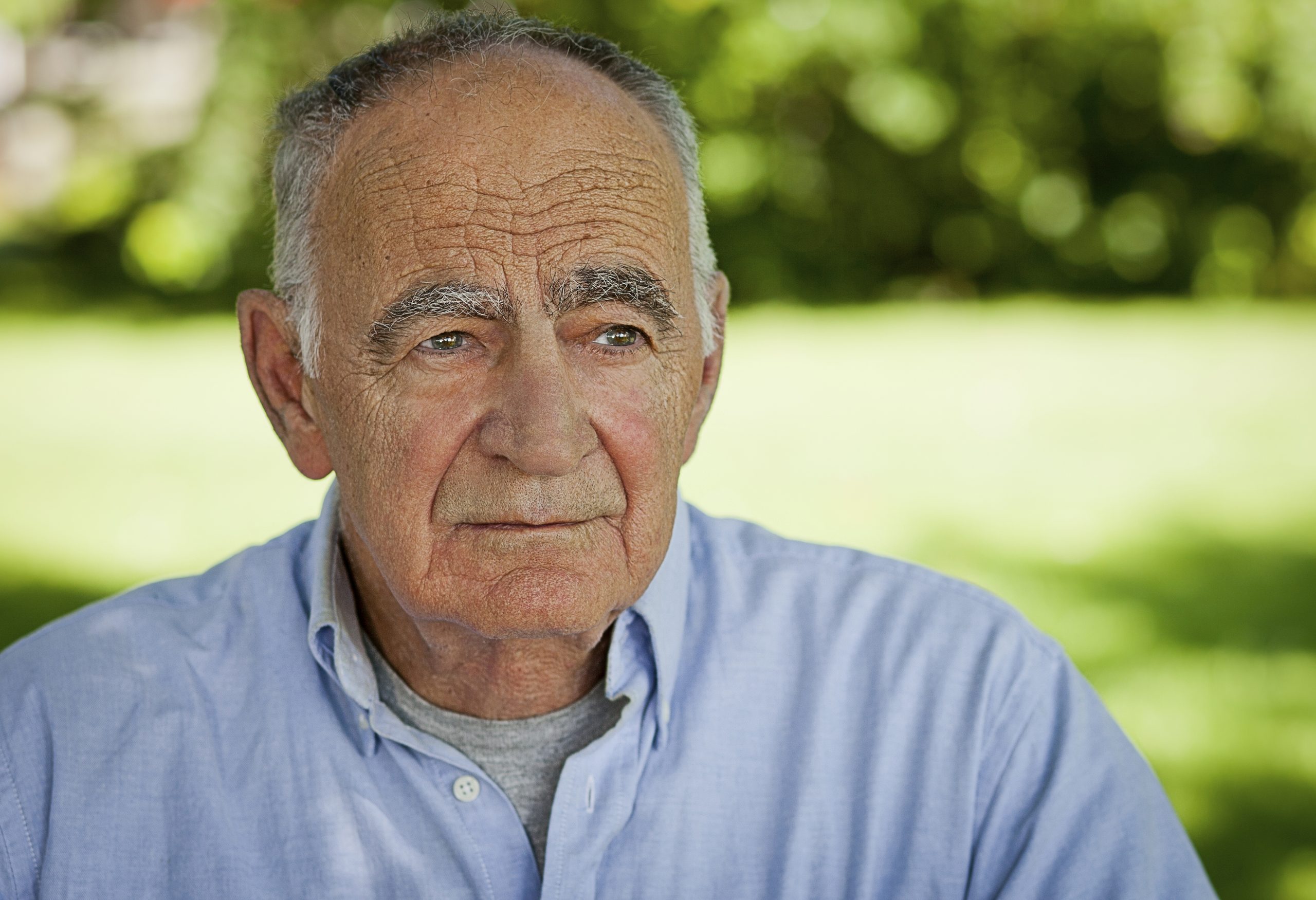
- Encouraging those with control over the financial and care decisions of a vulnerable senior with dementia to spend the senior’s retirement savings to make the senior’s life as meaningful and enjoyable as possible.
Each of us might, one day, lose the ability to make our own decisions.
Alzheimer’s disease is the most common, but there are many other causes of dementia.
According to 2024 data, 2.39% of Canadians aged 65-79 are living with dementia.
It’s approximately 16.95% for those aged 80 and above.
Dementia can hit much younger. According to the Alzheimer Society of Canada, at least 28,000 Canadians under the age of 65 are living with young onset dementia.
It can come on abruptly, but it’s typically gradual with steady and continuous progression.
Unless death takes you first, it will progress to where you lose capacity to make your own decisions.
You cannot put documentation in place to protect against living with incapacitating dementia.
A directive to your personal representative or doctor that you don’t want to live if you reach that level cannot bring about your death.
I have trouble conceiving of a higher level of vulnerability.
In my column last week, I encouraged retired folks who have spent our lives working hard, scrimping and saving, to loosen the purse strings and allow ourselves to enjoy the fruits of our labour.
After we’ve lost cognitive capacity to manage our own affairs we’re most in need of the services those funds can pay for. But we no longer have the capacity to make it happen.
Ideally, an occupational therapist with dementia and geriatric expertise would do an assessment and make recommendations.
I don’t have that expertise, but here is a very short list of the kinds of equipment and services that I would want implemented for me:
- Devices like a tablet or computer that are programmed to allow me with limited and declining cognition to access my preferred music, audio books, news, television and other audio and visual stimulation,
- Devices programmed to allow me to independently reach out and communicate with my loved ones,
- Virtual reality equipment to give me stimulating experiences,
- One-on-one support for the implementation, use and maintenance of this equipment, which would need to increase as my dementia progresses,
- A kinesiologist/personal trainer to implement and provide daily supervision and motivation for exercises to maintain my mobility and strength,
- One on one support to take me on appropriate, stimulating outings, and
- A dietary consultant to ensure a highly satisfying and nutritious diet, modified as needed to accommodate my progressive dementia.
This is all very expensive.
I hope that those who do have control over my finances and care will implement anything and everything that will make my life with dementia as meaningful and enjoyable as possible – to the extent I can afford it.
If I cannot be cared for in my home and a long-term care facility is required, I hope that my retirement savings will go to implementing whatever can be implemented within that environment.
For my hopes to be realized, the people I have entrusted with making my financial and care decisions will need to act.
Step one is recognizing that I would benefit from an assessment.
That might seem obvious. But are you aware of thorough, independent assessments having been conducted for folks with dementia who you are familiar with?
Step two is committing to spend my retirement dollars as necessary to carry through with an assessment and to implement the recommendations.
This second part is tricky. The folks I’ve appointed to take control over my finances and care are likely also the beneficiaries of my estate.
Will they be willing to drain their inheritance, spending huge amounts of my retirement savings for this purpose when there is nothing at all that could hold them accountable if they don’t?
Do any of you have a parent who could benefit from such an assessment?