
Road Safety – a follow up
- Sharing reader feedback about last week’s road safety column
- Providing search instructions to find videos that illustrate inattention blindness
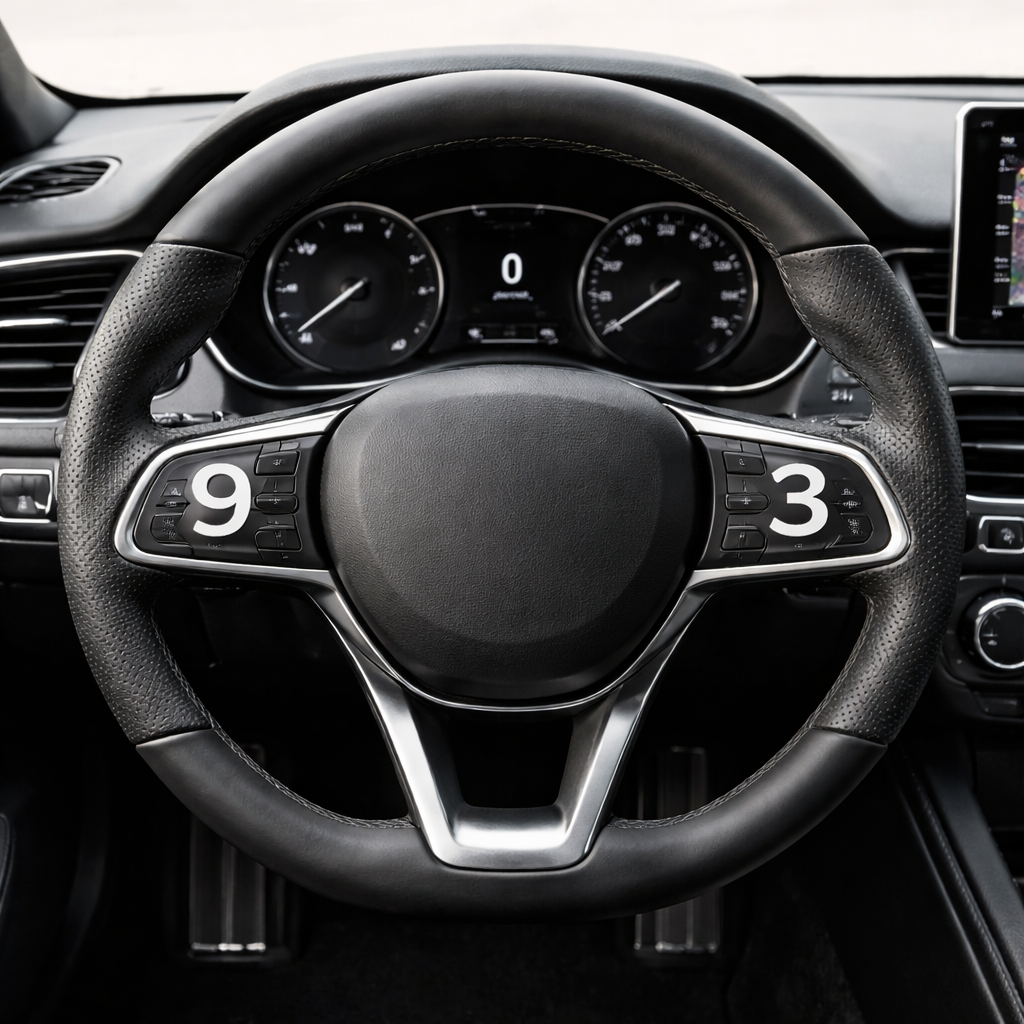
- Sharing criticism that 9 and 3 is preferable to 10 and 2
My road safety column last week struck a nerve.
Reader responses are typically few and far between. This past week, several readers took the time to share a mix of their experience, insights and criticism.
You’re going to have to wait another week for me to return to my typical column themes.
I had shared my conclusion that inattention is overwhelmingly the culprit in car crashes. What does a wills and estates lawyer know about car crashes? Before transitioning to this area of law, I had spent 25+ years prosecuting car crash claims.
I also shared a mechanism I had come up with for maintaining attention at the wheel, which I called “doing the 10 and 2”. It’s simple. I find that if I make a point of keeping my hands at the 10 and 2 positions on the steering wheel, the minor discomfort of keeping them there leads to my hands drifting when my mind drifts from the task at hand. Noticing my hands drift snaps my brain back to attention.
An affirmation of the concept of “inattention blindness” came from Nick, a true expert in driver inattention.
Nick has 10 years of experience flagging on the highways around Revelstoke. I can’t think of an occupation with more expertise because flaggers intensely and continuously observe driver behaviour.
Nick shared this important insight: “You don’t have to be doing anything to be distracted.”.
He shared experience to back it up: “Once had eye contact with a (fortunately slow moving) driver who had the ‘lights on but nobody home’ and wasn’t reacting at all to my stop paddle. She wasn’t phoning or talking to a passenger or eating etc. Just driving with no conscious attention whatsoever paid to the road.”
He went on: “Wasn’t unusual for drivers to tell me I ought to have signs out – after they had just driven past at least 4 of them.”
Nick shared his anger about the inherent contradiction of “vehicle safety mechanisms” that, in his words: “save drivers from the hassle of paying attention to what is going on beyond their windshield”. Good point, Nick.
Publication of my column coincided with an extremely close call the day before when a Kelowna driver ran a red light. The passenger in that near miss referred me to her dash cam video that can be found using “runs red light near crash Kelowna” as a browser search. It was her impression, supported by the video, that this wasn’t a “running the light” situation. Rather, the offending driver seemed to have failed to notice the red light.
How is it possible to fail to notice a red light? How did the truck driver in the infamous Humboldt Broncos crash fail to notice the oversized stop sign with the flashing red light on top of it?
Zena referred me to online videos that help the viewer understand how it’s possible that we can be looking, but (because of distraction) not seeing or mentally processing what’s directly in front of us. I invite you to use “selective attention test” as a browser search. My favourite video is by Marissa Webb.
An RCMP officer who works highway patrol and is also a Collision Analyst shared that he provides coaching to drivers when conducting enforcement, noting “I’ve been applying mindfulness grounding exercises to driving and been coaching drivers on ways to re-engage with the driving task”. He mentioned a couple of mechanisms which I suspect are superior to my “doing the 10 and 2”, but noted “People seem to love simple tricks, I’m going to add your 10-2 suggestion into my roadside education routine”.
A fellow named Don offered a number of insights. One was applying the general life lesson of “leave room for error” to driving. That’s defensive driving at its best.
I did also receive an important criticism.
From Jo: “Just a quick note re your column today, the old 10 and 2 position has gone the way of the dinosaurs, as it can cause severe injuries to the driver if the airbag deploys.”
A quick internet search endorses her criticism. It appears that extremely rapid airbag deployment can cause raised hands and forearms to be propelled in ways that put you at risk of broken fingers, wrists and arms. If propelled into your face, you risk facial fractures and concussion!
Hands at 9 and 3, or 8 and 4, is now recommended.
Unfortunately, a road safety mechanism called “doing the 9 and 3” is far less memorable! But it serves the same purpose. Even more so. At 9 and 3, none of the weight of your hands and arms is resting on the steering wheel so it takes even more conscious effort to keep them there.
Remember, this isn’t about the safest place to put your hands while driving. It’s about a mechanism to help a driver realize that their mind is drifting from the task at hand.
Nick the flagger shared his hope that “Maybe, eventually, fully autonomous vehicles will reduce the toll of death and life altering injury on the roads”. With our government harming, rather than helping, road safety with its cell phone laws, and failing to go after inattention which is the most significant cause of crashes, I share that hope.
In the meantime, try doing the 9 and 3!