
Road Safety – consider “doing the 10 and 2”
- Sharing my experience investing the causes of car crashes during a 25+ year career acting for injured victims
- Explaining “inattention blindness” in the context of studies about the impact of cell phone use on drivers
- Sharing a mechanism I came up with for avoiding inattention – “doing the 10 and 2”
The beginning of the year feels like a good opportunity to leverage my column readership to help us enjoy a crash free 2026.
I am going to share an important nugget of wisdom I learned about road safety over a 25+ year career acting for injured victims of car crashes.
That previous legal career might come as a surprise to you.
It was approximately three years ago when I hung up my court robes in favour of a relaxed, low pressure legal practice known colloquially as “wills and estates”. That new practice area has been the primary focus of my column since I resumed writing at the end of January, 2024.
I say “resumed” because I had previously been a weekly columnist for 13 ½ years.
Road safety topics were a regular feature of that previous column.
I had become passionate about road safety from investigating the cause of crash after crash after crash that left my clients with life altering injuries.
The sad reality was that each and every crash could easily have been avoided.
The nugget of wisdom I have to share is that a common, underlying cause emerged: inattention.
It was glaringly apparent with rear-enders, the most ridiculous of crashes.
I say ridiculous because it doesn’t take a high level of driving skill to apply the brake!
And they’re ridiculously common. Almost 50% of my clients had been the victim of a rear-ender crash.
Not arising from unforeseeable highway circumstances that left no opportunity to react – that was extremely rare. The typical rear-ender victim was sitting at a full stop at a red light.
I did some research to try to understand what was going on.
I found a National Safety Council (United States) publication – “Understanding the distracted brain” particularly helpful.
Quoting from the publication:
“Vision is the most important sense for safe driving. Yet, drivers using hands-free phones (and those using handheld phones) have a tendency to “look at” but not “see” objects. Estimates indicate that drivers using cell phones look but fail to see up to 50 percent of the information in their driving environment.”
Studies conclude that cell phone use is just as dangerous whether you are holding a phone up to the side of your face or talking hands-free.
You might wonder why our laws prohibit only the hand-held use of cell phones while driving if hands-free is just as dangerous. Particularly since doing so broadcasts that hands-free cell phone use is safe.
That ridiculous law was an example of a term my 21-year-old daughter has taught me: “virtue signalling”. It was a political move to appear like they were doing something for road safety while avoiding the political backlash they would face from prohibiting all cell phone use while driving.
The sick truth is that before passing those laws, the Ministry of Public Safety and Solicitor General had produced a discussion paper “Addressing the Problem of Distracted Driving and its Impacts to Road Safety” that reviews the science concluding the similarity of danger from hand-held and hands-free cell phone use and specifically warns about banning only hand-held.
Quoting from the paper:
“Legislation that bans only hand-held cell conversations conflicts with the research that has consistently found no difference in the degree of distraction between hand-held and hands-free cell conversations. As a result, these laws may not provide the expected benefits and may even generate harmful indirect impacts such as a false sense of security for those who talk on hands-free devices while driving.”
Cell phones aren’t the boogieman. Our brains can be distracted by all sorts of things. It’s just that cell phone use while driving has been specifically studied.
And the results of the studies help with understanding why the ridiculous rear-ender can occur.
When our brains are not focused on the job at hand (driving) we look, but our brains fail to process, what’s there to be seen.
I’m embarrassed to admit that I allowed myself to fall into what researchers call “inattention blindness” just this past week. My wife and I were taking our son and his girlfriend out for dinner, heading to the Landing, one of our favourite restaurants on the Westside.
I was engaged in discussion when we were sitting at the intersection of the highway and Gellatly Road, waiting to turn left. My eyes were open. I was facing forward. I was looking, but completely failed to notice the advance arrow. My wife clued me in and we continued on our way.
How many other things did I look at and fail to see along the way? How lucky was I, the occupants of my vehicle, and other road users that something unusual didn’t occur when I was driving with such a level of inattention?
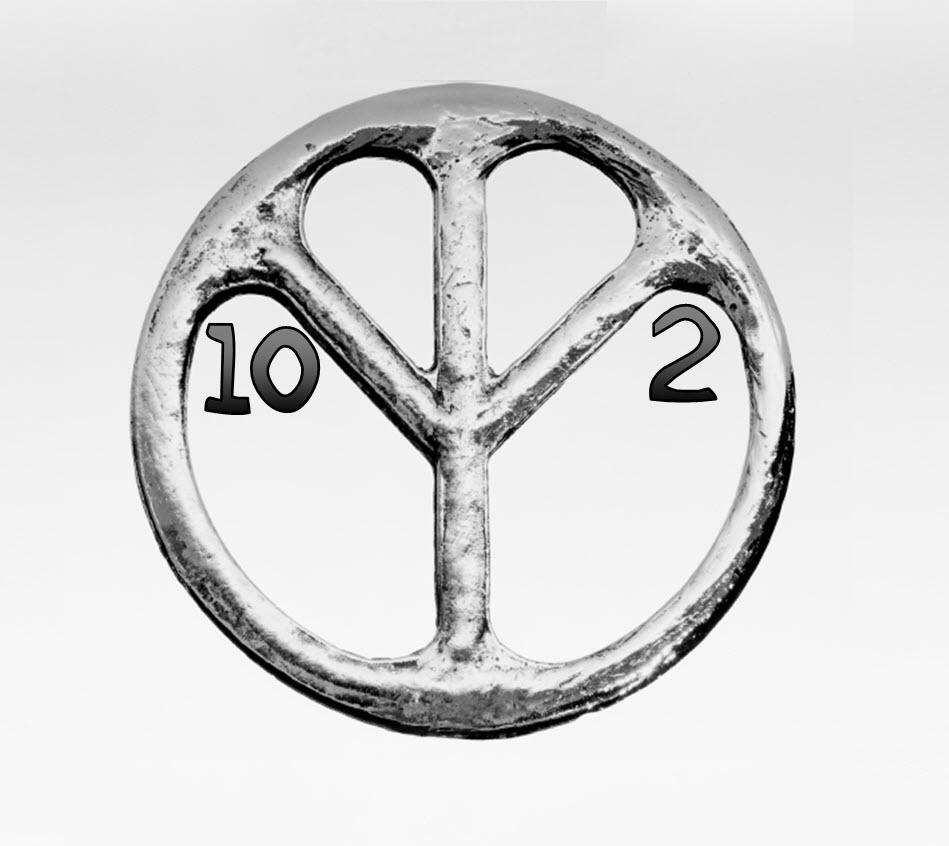
Years ago, I came up with a strategy for avoiding inattention at the wheel. I called it “doing the 10 and 2”. It’s simply keeping your hands on the steering wheel at the 10 o’clock and 2 o’clock positions.
I find that it’s effective because when my mind starts to drift away from the task at hand, my hands start to drift from those positions to somewhere more comfortable. Noticing that drift snaps my brain back into place.
Consider “doing the 10 and 2”. My experience last week has motivated me to get back to that myself.
E-mail me if you’d like copies of the two publications I referred to.
I wish you all a safe, crash-free 2026!